
 Women's Exclusive
 Organic Fresh
 Eye Fashion & Power Glasses
 Home Made Food
 Medicine Corner
 Watch
Watch
 Belt & Wallet
 Mobile Accessories
 Birds & Pet Corner
 Snacks & Confectionery
.webp) Frozen Fish & Meat
Frozen Fish & Meat
 Grocery
 Stationery
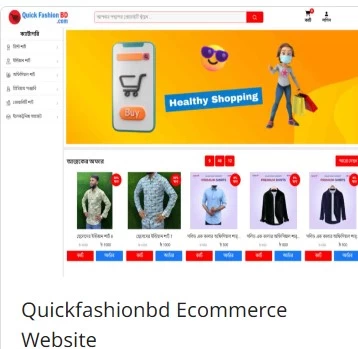 Website Development
.webp) Baby Care
Baby Care
 Tours & Travel
 Children's Special
 EV Auto Rickshaw Battery
 Hand Watch and Wall Clock
 VAT & TAX Return Support
 Islamic Store
 Sleeping & Comfort
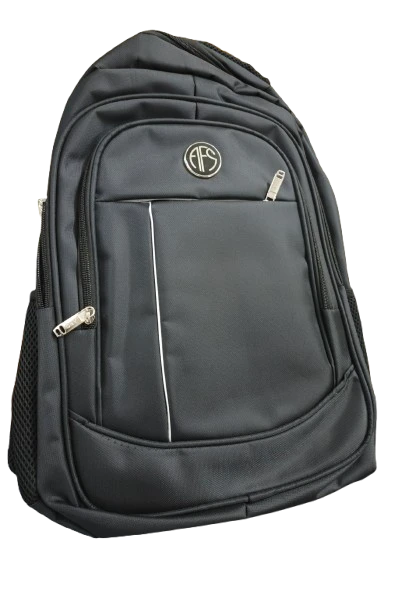 Laptop & School Bag
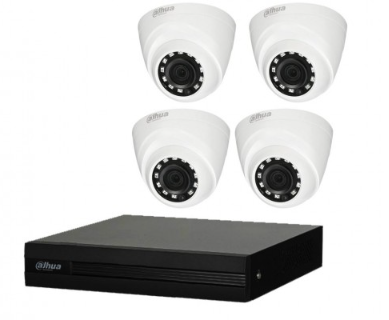 Security and Safety
 Home Made Cake
 Training
.webp) Ramadan Special
Ramadan Special
 Digital Marketing
 Seasonal Fruits
 Umrah & Hajj Packages
 Skin Care
 Imported
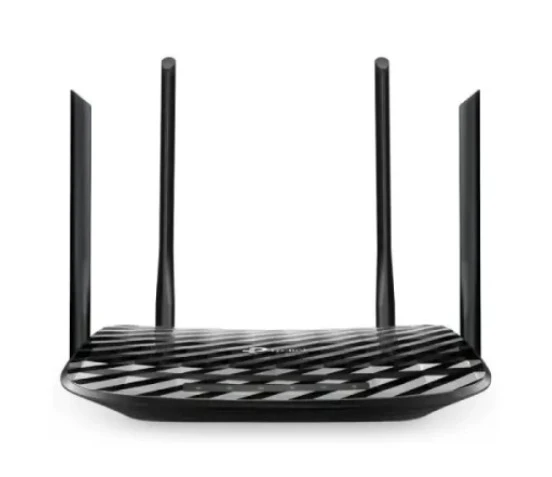 Networking
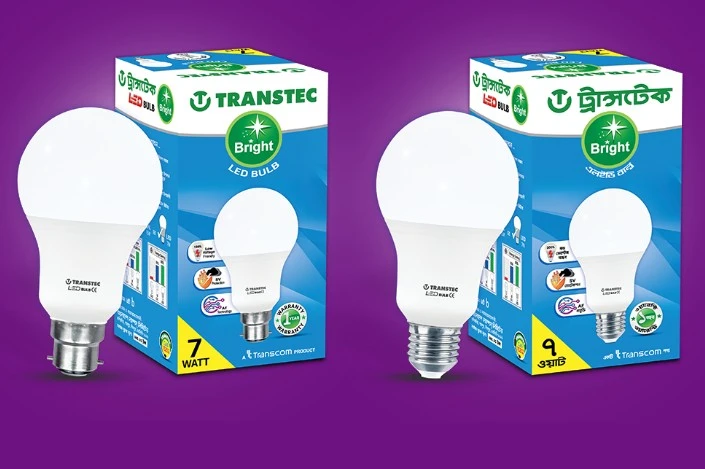 Electrical & Electronics
.webp) Cosmetics
Cosmetics
 Jewelry
 Personal Care
 Korean Care
 China Mart
 Home Appliances
 Legal Service
 Testy Pickle & Foods
 Kids Corner
Order procedure
Ujanvati.com অর্ডার প্রক্রিয়া
নীতি
সর্বশেষ
হালনাগাদ: জুলাই
০৫, ২০২৬
স্বাগতম
Ujanvati.com-এ। এই অর্ডার প্রক্রিয়া নীতিতে
Ujanvati.com প্ল্যাটফর্মের মাধ্যমে অর্ডার প্রদান, যাচাইকরণ, গ্রহণ, প্রক্রিয়াকরণ,
সরবরাহ এবং বাতিলকরণ সম্পর্কিত শর্তাবলি বর্ণনা করা হয়েছে। Ujanvati.com-এ অর্ডার
করার মাধ্যমে গ্রাহক এই নীতির সকল শর্তাবলীতে সম্মতি প্রদান করছেন।
১. অ্যাকাউন্ট নিবন্ধন
গ্রাহক
নিম্নলিখিত উপায়ে অর্ডার করতে পারবেন—
- Ujanvati.com-এ একটি অ্যাকাউন্ট
নিবন্ধন করে; অথবা
- যেখানে প্রযোজ্য, অতিথি
(Guest) হিসেবে অর্ডার করে।
গ্রাহককে
সঠিক, সম্পূর্ণ এবং হালনাগাদ তথ্য প্রদান করতে হবে। ভুল বা বিভ্রান্তিকর তথ্যের কারণে
সৃষ্ট কোনো সমস্যার জন্য Ujanvati.com দায়ী থাকবে না।
২. পণ্য নির্বাচন
গ্রাহক
Ujanvati.com-এ প্রদর্শিত পণ্য ও সেবা ব্রাউজ করতে পারবেন এবং পছন্দের পণ্য কার্টে
যোগ করতে পারবেন।
অর্ডার
দেওয়ার আগে গ্রাহককে নিম্নলিখিত তথ্য যাচাই করার পরামর্শ দেওয়া হচ্ছে—
- পণ্যের বিবরণ
- বৈশিষ্ট্য ও স্পেসিফিকেশন
- মূল্য
- পরিমাণ
- স্টক প্রাপ্যতা
- ডেলিভারি তথ্য
- বিক্রেতার তথ্য (যদি প্রযোজ্য
হয়)
৩. অর্ডার প্রদান পদ্ধতি
অর্ডার সম্পন্ন করার জন্য গ্রাহককে—
১. পছন্দের
পণ্য কার্টে যোগ করতে হবে।
২. চেকআউট পৃষ্ঠায় যেতে হবে।
৩. ডেলিভারি ও বিলিং তথ্য প্রদান করতে হবে।
৪. পছন্দসই পেমেন্ট পদ্ধতি নির্বাচন করতে হবে।
৫. অর্ডারের তথ্য যাচাই করতে হবে।
৬. “Place Order”, “Confirm Order” অথবা সমজাতীয় বাটনে ক্লিক করে অর্ডার নিশ্চিত করতে
হবে।
অর্ডার
প্রদান করা গ্রাহকের পক্ষ থেকে পণ্য ক্রয়ের একটি প্রস্তাব হিসেবে বিবেচিত হবে
এছাড়াও
সমযোতার ভিত্তিতে এ্যাডমিন প্যানেল এর মাধ্যমেও কাষ্টমার/উদ্যোক্তাদের জন্য ওর্ডার
করে দেওয়া হয়।
৪. অর্ডার নিশ্চিতকরণ
অর্ডার
সফলভাবে জমা দেওয়ার পর—
- গ্রাহকের মোবাইল নম্বর, ইমেইল
বা অ্যাকাউন্টে একটি নিশ্চিতকরণ বার্তা পাঠানো হতে পারে।
- একটি অর্ডার নম্বর (Order
ID) তৈরি হবে।
- এই নিশ্চিতকরণ শুধুমাত্র অর্ডার
গ্রহণের স্বীকৃতি; এটি অর্ডার অনুমোদনের নিশ্চয়তা নয়।
৫. অর্ডার যাচাইকরণ
নিরাপত্তা
ও সেবার মান নিশ্চিত করার জন্য Ujanvati.com নিম্নলিখিত পদ্ধতিতে অর্ডার যাচাই করতে
পারে—
- ফোন কল
- এসএমএস যাচাইকরণ
- ইমেইল নিশ্চিতকরণ
- অন্যান্য প্রমাণীকরণ পদ্ধতি
যাচাইকরণ
সম্পন্ন না হলে অর্ডার বাতিল করা হতে পারে।
৬. অর্ডার গ্রহণ
নিম্নলিখিত
শর্ত পূরণ হলে অর্ডার গ্রহণ করা হয়েছে বলে গণ্য হবে—
- প্রয়োজনীয় যাচাইকরণ সম্পন্ন
হয়েছে;
- প্রযোজ্য ক্ষেত্রে পেমেন্ট
অনুমোদিত হয়েছে;
- পণ্য স্টকে উপলব্ধ রয়েছে।
নিম্নলিখিত
কারণে Ujanvati.com অর্ডার প্রত্যাখ্যান বা বাতিল করার অধিকার সংরক্ষণ করে—
- পণ্য স্টকে না থাকা;
- মূল্য নির্ধারণে ভুল;
- প্রযুক্তিগত ত্রুটি;
- প্রতারণার সন্দেহ;
- আইনগত বা নিয়ন্ত্রক সীমাবদ্ধতা।
৭. অর্থপ্রদানের পদ্ধতি
গ্রাহক
নিম্নলিখিত উপায়ে অর্থপ্রদান করতে পারবেন—
- ক্যাশ অন ডেলিভারি (COD)
- ডেবিট কার্ড
- ক্রেডিট কার্ড
- বিকাশ (bKash)
- নগদ (Nagad)
- রকেট (Rocket)
- ব্যাংক ট্রান্সফার
- অনুমোদিত পেমেন্ট গেটওয়ে
পণ্যের
ধরন, বিক্রেতা এবং অবস্থানভেদে অর্থপ্রদানের পদ্ধতি ভিন্ন হতে পারে।
৮. অর্ডার প্রক্রিয়াকরণ
অর্ডার
গ্রহণের পর—
- পণ্যের স্টক সংরক্ষণ করা হবে;
- প্যাকেজিং সম্পন্ন করা হবে;
- শিপমেন্টের ব্যবস্থা করা হবে;
- প্রয়োজনীয় নথিপত্র প্রস্তুত
করা হবে।
পণ্য
ও বিক্রেতার প্রাপ্যতার ভিত্তিতে প্রক্রিয়াকরণের সময় ভিন্ন হতে পারে।
৯. অর্ডার ট্র্যাকিং
গ্রাহক
নিম্নলিখিত উপায়ে অর্ডারের অবস্থা জানতে পারবেন—
- Ujanvati.com অ্যাকাউন্ট ড্যাশবোর্ড
- এসএমএস বা ইমেইল নোটিফিকেশন
- কাস্টমার সাপোর্ট
লজিস্টিক
পার্টনারের সুবিধা অনুযায়ী ট্র্যাকিং সেবা প্রদান করা হবে।
১০. অর্ডার সংশোধন
পণ্য
শিপমেন্টের পূর্বে গ্রাহক নিম্নলিখিত তথ্য পরিবর্তনের অনুরোধ করতে পারবেন—
- পণ্যের পরিমাণ
- ডেলিভারি ঠিকানা
- যোগাযোগের তথ্য
অর্ডার
প্রক্রিয়াকরণ শুরু হয়ে গেলে সংশোধনের সুযোগ সীমিত বা অনুপলব্ধ হতে পারে।
১১. অর্ডার বাতিলকরণ
গ্রাহক
শিপমেন্টের পূর্বে অর্ডার বাতিলের আবেদন করতে পারবেন।
নিম্নলিখিত
ক্ষেত্রে বাতিলের আবেদন গ্রহণ নাও করা হতে পারে—
- পণ্য ইতোমধ্যে পাঠানো হয়েছে;
- পণ্যটি কাস্টমাইজড বা অর্ডার
অনুযায়ী প্রস্তুত করা হয়েছে;
- পণ্যটি বাতিলযোগ্য নয় বলে
উল্লেখ রয়েছে।
অনুমোদিত
বাতিলের ক্ষেত্রে রিফান্ড নীতি অনুযায়ী অর্থ ফেরত দেওয়া হবে।
১২. বিক্রেতা বা
Ujanvati.com কর্তৃক অর্ডার বাতিল
নিম্নলিখিত
কারণে অর্ডার বাতিল করা হতে পারে—
- পণ্য স্টকে না থাকা;
- ইনভেন্টরি ত্রুটি;
- মূল্য সংক্রান্ত ভুল;
- অর্থপ্রদানের সমস্যা;
- প্রতারণার সন্দেহ;
- আইনগত বাধ্যবাধকতা।
প্রযোজ্য
ক্ষেত্রে প্রদত্ত অর্থ রিফান্ড নীতি অনুযায়ী ফেরত প্রদান করা হবে।
. ডেলিভারি ও অর্ডার সম্পন্নকরণ
গৃহীত
অর্ডারসমূহ Ujanvati.com-এর ডেলিভারি নীতি অনুযায়ী সরবরাহ করা হবে।
ডেলিভারি
সময় আনুমানিক এবং অনিবার্য পরিস্থিতিতে পরিবর্তিত হতে পারে।
১৪. গ্রাহকের দায়িত্ব
গ্রাহককে—
- সঠিক তথ্য প্রদান করতে হবে;
- ডেলিভারি গ্রহণের জন্য উপস্থিত
থাকতে হবে;
- অর্ডার নিশ্চিত করার পূর্বে
তথ্য যাচাই করতে হবে;
- প্ল্যাটফর্মের নীতি ও প্রযোজ্য
আইন মেনে চলতে হবে।
ভুল তথ্য
বা বারবার ব্যর্থ ডেলিভারির কারণে সৃষ্ট অতিরিক্ত ব্যয়ের জন্য গ্রাহক দায়ী থাকতে
পারেন।
১৫. প্রতারণা প্রতিরোধ
Ujanvati.com
নিম্নলিখিত পদক্ষেপ গ্রহণের অধিকার সংরক্ষণ করে—
- সন্দেহজনক অর্ডার স্থগিত করা;
- অতিরিক্ত পরিচয় যাচাইকরণ
চাওয়া;
- প্রতারণামূলক কার্যক্রমে জড়িত
অ্যাকাউন্ট সীমাবদ্ধ করা;
- প্রয়োজন হলে আইনগত ব্যবস্থা
গ্রহণ করা।
১৬. দায়-দায়িত্বের সীমাবদ্ধতা
Ujanvati.com
কোনো পরোক্ষ, আকস্মিক, বিশেষ বা ফলশ্রুতিজনিত ক্ষতির জন্য দায়ী থাকবে না, যা অর্ডার
প্রদান, প্রক্রিয়াকরণ বা সরবরাহের ফলে উদ্ভূত হতে পারে।
Ujanvati.com-এর
সর্বোচ্চ দায়বদ্ধতা সংশ্লিষ্ট অর্ডারের জন্য প্রদত্ত অর্থের পরিমাণ পর্যন্ত সীমাবদ্ধ
থাকবে।
১৭. নীতির সংশোধন
Ujanvati.com
পূর্ব ঘোষণা ছাড়াই যেকোনো সময় এই অর্ডার প্রক্রিয়া নীতি পরিবর্তন, সংশোধন বা হালনাগাদ
করার অধিকার সংরক্ষণ করে।
ওয়েবসাইটে
প্রকাশের সঙ্গে সঙ্গে সংশোধিত নীতি কার্যকর হবে।
১৮. যোগাযোগ
অর্ডার
সংক্রান্ত যেকোনো সহায়তার জন্য যোগাযোগ করুন:
Ujanvati.com কাস্টমার সাপোর্ট
- ওয়েবসাইট: www.ujanvati.com
- ফোন: ০১৭৭১৪৫৯৫৭৩
Ujanvati.com-এ
অর্ডার করার মাধ্যমে আপনি নিশ্চিত করছেন যে, আপনি এই অর্ডার প্রক্রিয়া নীতি পড়েছেন,
বুঝেছেন এবং এর সকল শর্তাবলীতে সম্মতি প্রদান করেছেন।